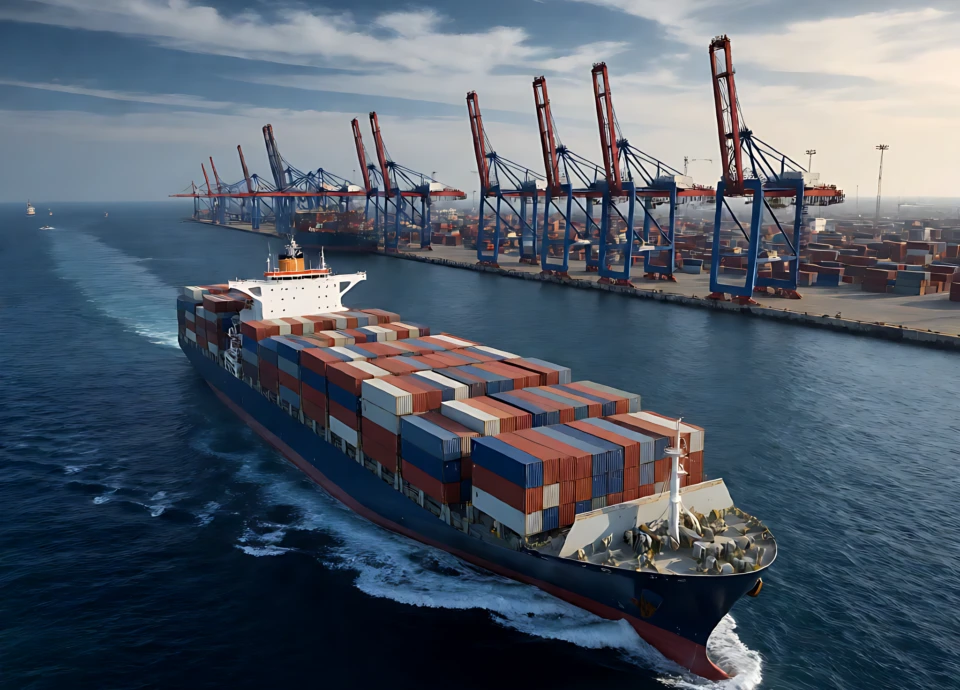
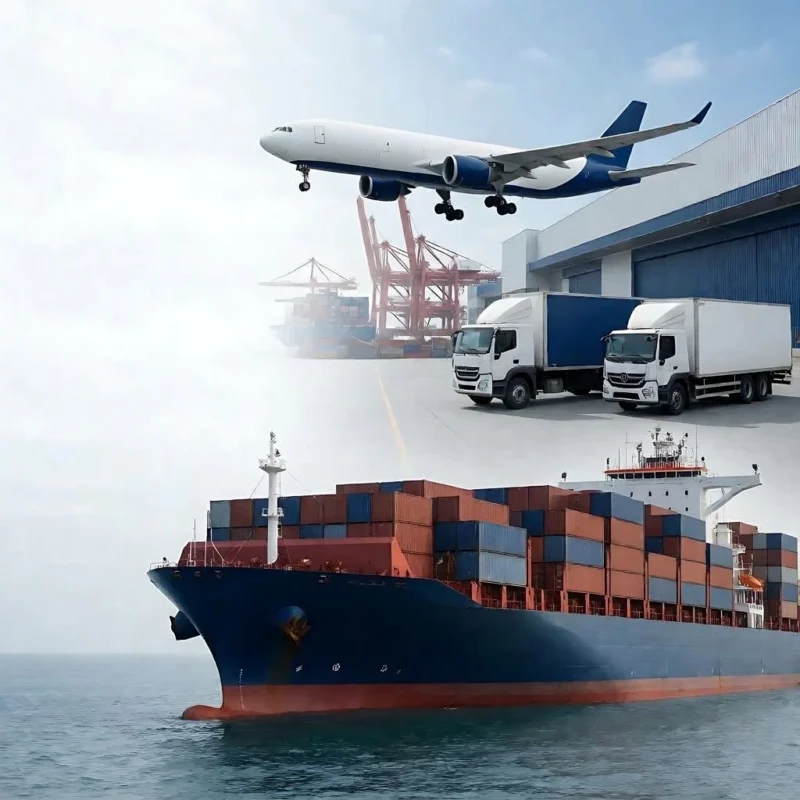
DDP shipping from China is an international shipping arrangement in which the seller assumes responsibility for delivering goods to an agreed destination and handling import clearance, including applicable import duties and taxes. For US importers, wholesalers, and cross-border e-commerce sellers, DDP can simplify coordination between freight transportation, customs procedures, and final delivery.
However, DDP does not mean that every shipping expense is automatically included in one quoted price. Freight charges, customs clearance, import duties, taxes, destination handling, and special delivery services depend on the shipment and the agreed service scope.
Before choosing DDP shipping, businesses should understand how the process works, what the quotation covers, who is responsible for import compliance, and whether the destination is a commercial address or an Amazon fulfillment center. This guide explains the main considerations when shipping goods from China to the United States and other international markets.
What Is DDP Shipping from China?
DDP stands for Delivered Duty Paid. Under the Incoterms® 2020 DDP rule, the seller is responsible for arranging delivery to the named destination and handling export and import clearance, including applicable duties and taxes.
The buyer generally receives the goods at the agreed destination without having to arrange the main transportation or manage import clearance directly. However, the exact delivery scope, unloading arrangements, and any additional services should be confirmed in the sales contract and shipping quotation.
For example, a Chinese furniture manufacturer selling products to a US distributor may agree to deliver the goods to the distributor’s commercial warehouse under DDP terms. The seller arranges the transportation and import clearance and bears the applicable costs and risks allocated to the seller under DDP until delivery at the named destination.
The parties must also ensure that the proposed import arrangement is legally permitted. Under DDP, the seller is responsible for import clearance, but the seller may need appropriate registrations, tax arrangements, or a qualified local representative to fulfill those obligations.
DDP shipping can be suitable for businesses seeking a more coordinated delivery process. It does not, however, eliminate customs inspections, import restrictions, or the need for accurate shipping documentation.
How Does DDP Shipping Work?
A typical DDP shipment from China involves several stages, from cargo preparation to final delivery.
1. Cargo Preparation and Export Documentation
The exporter prepares the goods and provides the information required for shipping and customs declarations. Common documents include the commercial invoice, packing list, product descriptions, quantities, declared values, and other documents required for the specific goods.
Depending on the product, additional documentation may be necessary, such as certificates of origin, product compliance records, permits, or safety documentation.
Accurate information is essential. Incorrect product descriptions, undervalued declarations, or inconsistent shipment records can lead to customs delays, additional charges, or compliance issues.
2. International Freight Transportation
The logistics provider coordinates the selected transportation method according to the shipment’s size, weight, destination, budget, and delivery requirements.
- Sea freight: Often considered for larger, heavier, or less time-sensitive shipments.
- Air freight: May suit smaller shipments or cargo requiring faster transportation.
- Multimodal transportation: Combines different transportation methods where appropriate.
- Door-to-door shipping: Coordinates transportation from the origin to the agreed delivery address, subject to the contracted service scope.
The transportation method should be selected based on the shipment’s actual requirements rather than price alone.
3. Import Customs Clearance
When the shipment reaches the destination country, the responsible party arranges import customs clearance. Under DDP, this responsibility rests with the seller.
The process may involve submitting declarations, providing supporting documents, paying applicable import duties and taxes, and responding to customs requests.
The importer-of-record arrangement must be confirmed before shipping. Depending on the destination country’s laws and the transaction structure, the seller may need to establish eligibility to import or arrange a legally compliant alternative. A freight forwarder coordinating transportation does not automatically become the importer of record.
4. Final Delivery
After customs clearance and any required release procedures, the shipment proceeds to the agreed destination.
The delivery arrangements may differ between a commercial warehouse, residential address, distribution center, or Amazon fulfillment center. Appointment scheduling, unloading equipment, pallet requirements, restricted delivery windows, and other accessorial services should be checked in advance.
The shipment is completed according to the agreed DDP delivery point and contractual terms.
What Is Included in DDP Shipping Costs?
DDP shipping costs depend on the origin, destination, cargo specifications, transportation method, customs requirements, and final delivery conditions. A quotation should clearly identify which charges are included and which may be billed separately.
| Cost Component | What to Check |
|---|---|
| Origin handling | Cargo collection, warehouse handling, and export preparation |
| Export customs clearance | Export declaration and related service charges |
| International freight | Sea freight, air freight, or other transportation charges |
| Import customs clearance | Customs brokerage and declaration services |
| Import duties and taxes | Applicable charges based on product classification, customs value, origin, and destination rules |
| Destination handling | Terminal, warehouse, or other destination charges, where applicable |
| Inland transportation | Delivery from the destination port or airport to the agreed address |
| Special delivery services | Appointment scheduling, liftgate, residential delivery, unloading, or other requested services |
| Additional charges | Inspection, storage, demurrage, detention, or other charges if incurred and not included in the quotation |
Not every DDP quotation includes every item in the table. Some providers offer a bundled service, while others exclude certain charges or specify conditions under which additional fees apply.
Before confirming a shipment, ask the logistics provider to clarify:
- Whether the quoted price includes applicable import duties and taxes.
- Whether customs brokerage and destination handling are included.
- Which party will act as the importer of record.
- Whether the delivery address requires appointments, unloading equipment, or special access.
- What happens if customs inspection, storage, or other unexpected charges occur.
- Whether the quotation has restrictions based on cargo type, value, dimensions, or weight.
A detailed quotation helps you compare service providers more accurately and reduces the risk of unexpected shipping expenses.
DDP vs. DAP: What Is the Difference?
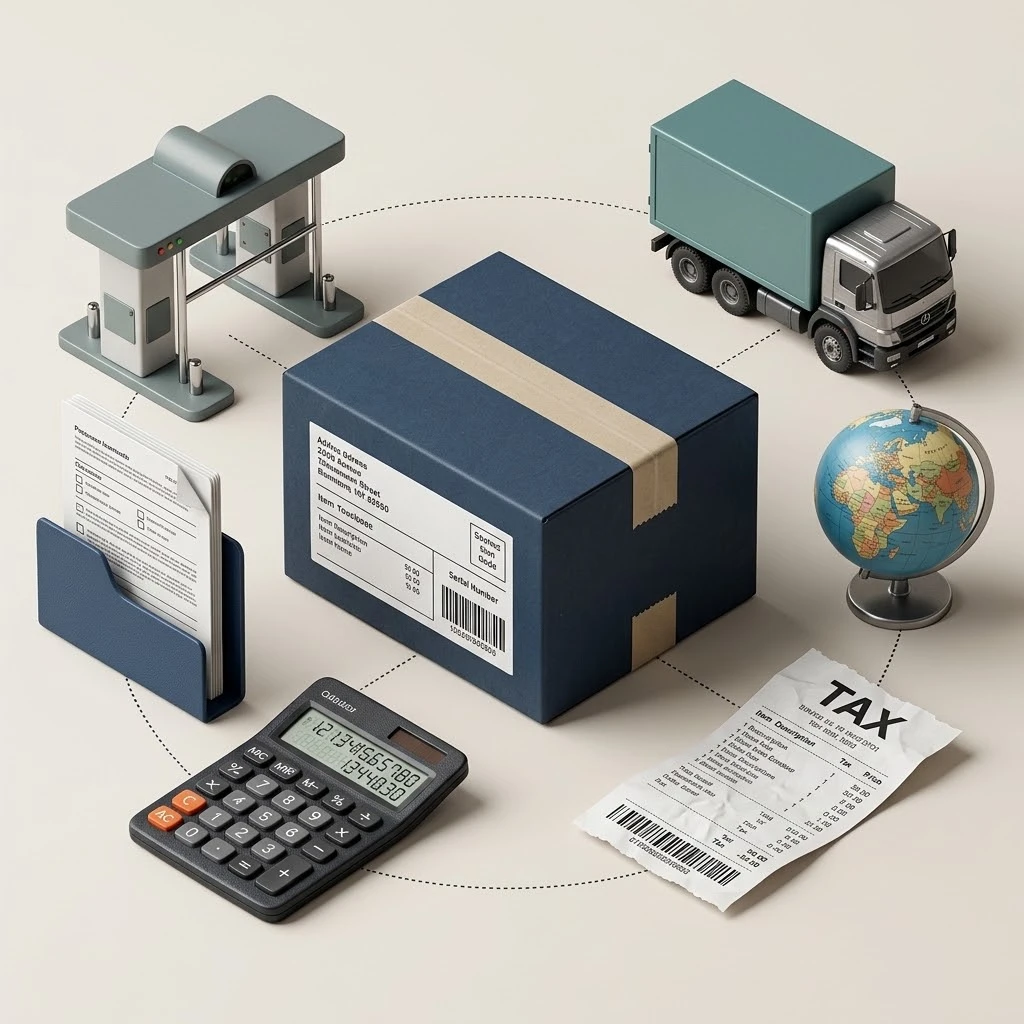
DDP and DAP are both Incoterms® 2020 rules used to define responsibilities for international deliveries. The key difference is who handles import clearance and pays the applicable import duties and taxes.
| Comparison | DDP | DAP |
|---|---|---|
| Main transportation | Seller arranges | Seller arranges |
| Export clearance | Seller handles | Seller handles |
| Import customs clearance | Seller is responsible | Buyer is responsible |
| Import duties and taxes | Seller pays applicable charges | Buyer pays applicable charges |
| Delivery to the named destination | Seller is responsible | Seller is responsible |
| Import compliance | Seller must fulfill the applicable import obligations | Buyer must fulfill the applicable import obligations |
Under DDP, the seller assumes the import clearance and applicable import duty and tax responsibilities. Under DAP, the seller arranges delivery to the named destination, but the buyer handles import clearance and pays applicable import duties and taxes.
Neither term guarantees a particular transportation price or delivery time. Both require the parties to identify the delivery destination clearly.
For example, a US distributor purchasing goods from China may prefer DDP if the seller can legally fulfill the import obligations and provide a transparent, compliant quotation. The same distributor may choose DAP if it already has an established customs broker and prefers to manage import clearance and duty payments independently.
The appropriate option depends on the transaction structure, import capabilities, and cost-control preferences of both parties.
DDP Shipping to the USA
When arranging DDP shipping from China to the United States, businesses should pay particular attention to importer-of-record responsibilities, product classification, customs valuation, applicable duties, and final delivery requirements.
Confirm Importer-of-Record Arrangements
The importer of record is responsible for ensuring that the import entry complies with applicable US customs requirements. Under a DDP transaction, the seller must arrange and fulfill the import obligations assigned to the seller under the agreed rule.
Before dispatch, confirm which legal entity will be identified as the importer of record, whether it is eligible to undertake that role, and what registrations, authorizations, or documentation are required.
A freight forwarder can coordinate logistics and customs-related services, but the parties should not assume that a forwarder automatically assumes the importer’s legal responsibilities.
Verify Product Classification and Duties
Import charges depend on factors such as the product’s tariff classification, customs value, country of origin, and the rules in force when the goods enter the United States.
Some products may also be subject to additional tariffs, trade remedies, licensing requirements, or other restrictions. Consequently, a DDP quotation should be based on accurate product information and a clearly defined import arrangement.
Do not rely solely on a generic per-kilogram rate to estimate the total cost of importing commercial goods.
Prepare for Customs Inspection
US Customs and Border Protection may examine shipments or request additional information. Inspection and documentation requirements vary by product and shipment.
Accurate invoices, packing lists, product descriptions, and other supporting documents can help the parties respond to customs requests. However, no shipping method can guarantee that a shipment will avoid inspection or clearance delays.
Check the Final Delivery Address
A business shipping goods to a commercial warehouse should confirm receiving hours, unloading arrangements, delivery access, and any appointment requirements.
Residential deliveries and deliveries to locations with limited truck access may involve additional services or charges. These requirements should be disclosed before the quotation is finalized.
Amazon FBA and Commercial Delivery
DDP shipping can be considered for both commercial cargo and shipments intended for Amazon fulfillment centers, provided that the import arrangement and delivery service meet the relevant requirements.
DDP Shipping for Amazon FBA
Amazon sellers shipping inventory from China to a US fulfillment center should confirm the shipment’s destination, Amazon shipment or appointment requirements, packaging and labeling rules, and delivery arrangements before dispatch.
The logistics provider should understand that the final destination is an Amazon fulfillment center rather than a standard commercial warehouse. Depending on the service, the shipment may require appointment coordination, pallet preparation, or other handling arrangements.
Most importantly, the importer-of-record and duty-payment arrangements must be established before the cargo ships. Amazon fulfillment centers should not be assumed to serve as the importer of record or to pay import duties and taxes on behalf of the seller.
DDP Shipping for B2B Commercial Orders
Consider a Chinese home furnishing supplier shipping a bulk order to a US distributor’s warehouse.
The seller can request a DDP quotation covering the agreed international transportation, import clearance, applicable duties and taxes, and inland delivery to the named commercial address. The provider will need details such as the cargo dimensions, gross weight, product description, declared value, and warehouse delivery requirements.
The buyer can then review the total landed delivery cost before confirming the sales contract.
This example illustrates a possible shipping arrangement, not a guaranteed price, route, or transit time. Actual costs and service availability depend on the shipment and the parties’ agreed terms.
Common Mistakes to Avoid When Choosing DDP Shipping
Businesses can reduce shipping and compliance risks by addressing the following issues before dispatch.
1. Choosing a quotation without checking exclusions. A low initial price may exclude duties, destination handling, or special delivery services. Request an itemized quotation and confirm the conditions for additional charges.
2. Assuming the logistics provider is automatically the importer of record. Freight forwarding, customs brokerage, and importer-of-record responsibilities are different roles. Confirm the legal arrangement before shipping.
3. Using inaccurate product values or descriptions. Incorrect customs information can create clearance problems and potential penalties. Declarations should reflect the actual transaction and applicable customs valuation rules.
4. Confusing DDP with Chinese export tax exemption. DDP defines delivery responsibilities under an international trade rule. It does not automatically provide an exemption from Chinese export VAT or other domestic taxes. Export tax treatment must be assessed separately under the applicable Chinese rules.
5. Ignoring final-mile delivery requirements. Commercial warehouses and Amazon fulfillment centers may have specific receiving procedures. Confirm appointments, pallet specifications, unloading arrangements, and access restrictions before dispatch.
6. Treating estimated transit times as guarantees. Customs inspections, congestion, weather, and other operational factors can affect transportation schedules. Ask the provider to explain the estimated transit window and any service limitations.
How NIUKU Logistics Supports Cross-Border Shipping
NIUKU Logistics provides cross-border logistics services for businesses shipping from China to the United States, Canada, the United Kingdom, the European Union, and Mexico.
Its service portfolio includes sea freight, air freight, Amazon FBA shipping, overseas warehousing, order fulfillment, and door-to-door delivery. These services can help businesses coordinate transportation and destination delivery based on their cargo requirements and distribution plans.
According to the company profile, NIUKU operates 25 domestic warehouses and 19 overseas warehouses, with more than 2.2 million square feet of overseas warehouse space. The company also reports a team of more than 1,200 people and experience supporting over 30,000 cross-border businesses.
For businesses evaluating DDP shipping from China, NIUKU can discuss shipment details, transportation options, destination requirements, and the scope of available logistics services.
Before booking, provide the product description, shipment weight and dimensions, cargo value, origin, destination address, preferred shipping method, and any special receiving requirements. Also confirm the proposed importer-of-record arrangement, duty and tax coverage, and any excluded charges.
For service details, visit NIUKU Logistics Services or contact NIUKU Logistics to discuss your shipment.
FAQ
1. What does DDP shipping from China include?
DDP places responsibility on the seller for arranging delivery to the named destination and handling export and import clearance, including applicable import duties and taxes. The exact quotation may include additional logistics services, but exclusions and special charges should be confirmed in writing.
2. Is DDP cheaper than DAP?
Not necessarily. DDP may provide a more consolidated cost arrangement, while DAP allows the buyer to manage import clearance and applicable duties and taxes. The better option depends on the shipment, customs arrangements, service fees, and the buyer’s ability to handle imports.
Compare the total expected cost and responsibilities rather than the initial freight quote alone.
3. Can I use DDP shipping for Amazon FBA in the USA?
Potentially, yes, if the provider supports the required route and delivery arrangements and the import process complies with applicable US rules. Confirm the importer of record, duty payment, shipment labeling, fulfillment-center requirements, and delivery appointment arrangements before dispatch.
4. How are DDP shipping costs calculated?
Costs depend on the transportation method, cargo weight and dimensions, product classification, customs value, applicable duties and taxes, destination handling, inland delivery, and special services. A reliable quotation requires accurate cargo and destination details.
5. Does DDP shipping eliminate Chinese export tax obligations?
No. DDP defines the seller’s delivery and import-related responsibilities under the agreed trade rule. It does not automatically exempt the exporter from Chinese VAT, consumption tax, corporate income tax, or other applicable domestic obligations. Businesses should obtain tax advice based on their specific transactions.
Request a DDP Shipping Quote from China
Choosing the right shipping arrangement starts with understanding the complete delivery process, the allocation of import responsibilities, and the costs included in the quotation.
Whether you are shipping bulk commercial orders to a US warehouse or replenishing inventory for Amazon FBA, confirm your import arrangements and destination requirements before dispatch.
Contact NIUKU Logistics with your cargo details, origin, destination, and preferred delivery method to discuss suitable shipping options for your business.